
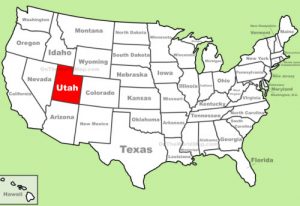
Utah Gambling Laws 2026: Strictest Regulations in the US
Utah enforces the most restrictive gambling laws in the nation, prohibiting nearly all forms of betting under Utah Code Title 76, Chapter 10, Part 11. The state constitution and statutes ban casinos, lotteries, sports wagering, and online gaming, with violations classified as misdemeanors. Limited exceptions do not exist for charitable events, and enforcement targets both operators and participants. Residents often travel to neighboring states like Nevada for legal options, while offshore sites operate in a prohibited gray area without state oversight.
Overview of Gambling in Utah
Gambling is defined broadly as risking value on chance-based outcomes, encompassing games, contests, and devices. Utah Code Section 76-10-1102 explicitly prohibits participation, permitting premises for gambling, and online activities, with an opt-out from any future federal internet gambling authorization. Class B misdemeanors apply for first offenses, escalating to Class A for repeats, potentially involving fines up to $2,500 and jail time. No commercial, tribal, or charitable gaming is permitted, reflecting cultural and legislative opposition.
Land-Based Casinos in Utah
No casinos operate within Utah borders, including tribal facilities, due to the comprehensive ban. Residents frequently visit West Wendover, Nevada—a town of approximately 4,500 supporting five casinos with over 35,000 square feet of gaming space each in larger venues. Popular options include:
- Peppermill Casino: Extensive slots, table games, and poker.
- Rainbow Casino: Focus on slots and video poker.
- Montegio Casino: Hotel-integrated gaming floor.
These cross-border destinations highlight Utah’s enforcement, as no in-state alternatives exist.
Online Gambling and Offshore Sites
Online gambling is expressly illegal under 2012 amendments to Utah Code, covering casinos, poker, and sports betting. Offshore platforms accept Utah players, but participation constitutes a misdemeanor with risks of prosecution, though individual cases are rare. Sweepstakes models, using virtual currencies redeemable for prizes, provide a legal alternative for casino-style play without direct wagering.
Poker in Utah
Poker for money is prohibited statewide, including home games, regardless of rake absence or skill arguments. Post-2003 enforcement intensified, rejecting skill-based distinctions. Offshore online poker violates statutes, exposing players to Class B misdemeanor charges. Free bar leagues, like the Wasatch Poker Tour, award points for seasonal prizes without entry fees, avoiding direct gambling definitions.
Sports Betting in Utah
Sports betting remains illegal, unaffected by the 2018 PASPA repeal. No retail or online sportsbooks exist, and pari-mutuel racing is banned. Prediction markets like Kalshi operate as regulated financial exchanges under federal oversight, allowing event outcome trading (including sports) without classification as gambling; however, state challenges persist, with ongoing litigation in 2026. Offshore sportsbooks are prohibited.
Daily Fantasy Sports (DFS)
Major DFS operators, including DraftKings, FanDuel, and PrizePicks, accept Utah entries, treating contests as skill-based. State law does not explicitly regulate DFS, creating ambiguity, but participation risks violation if deemed chance-dependent. No legislative changes occurred in 2025-2026 sessions.
Utah Lottery and Bingo
Utah is one of six states without a lottery; the constitution forbids it, and concierge services are illegal. Charitable bingo and raffles are prohibited, with past creative attempts (e.g., meal-bundled free cards) leading to raids and settlements. Online bingo is unlawful.
Utah Gambling FAQ
What gambling is legal in Utah?
None. All forms, including casinos, lotteries, sports betting, poker, and charitable gaming, are banned. Sweepstakes sites and prediction markets offer limited alternatives.
Are online casinos legal in Utah?
No. Utah Code prohibits internet gambling, with explicit federal opt-out provisions. Offshore access is illegal, lacking protections.
Do offshore sites accept Utah players?
Yes, most do, supporting credit cards for deposits and wire transfers or checks for withdrawals. Users face legal risks and no recourse for disputes.
Will Utah legalize gambling soon?
Unlikely. Strong opposition, rooted in cultural values, blocked 2024-2025 proposals. No reforms are anticipated before 2027, with explicit resistance to federal mandates.